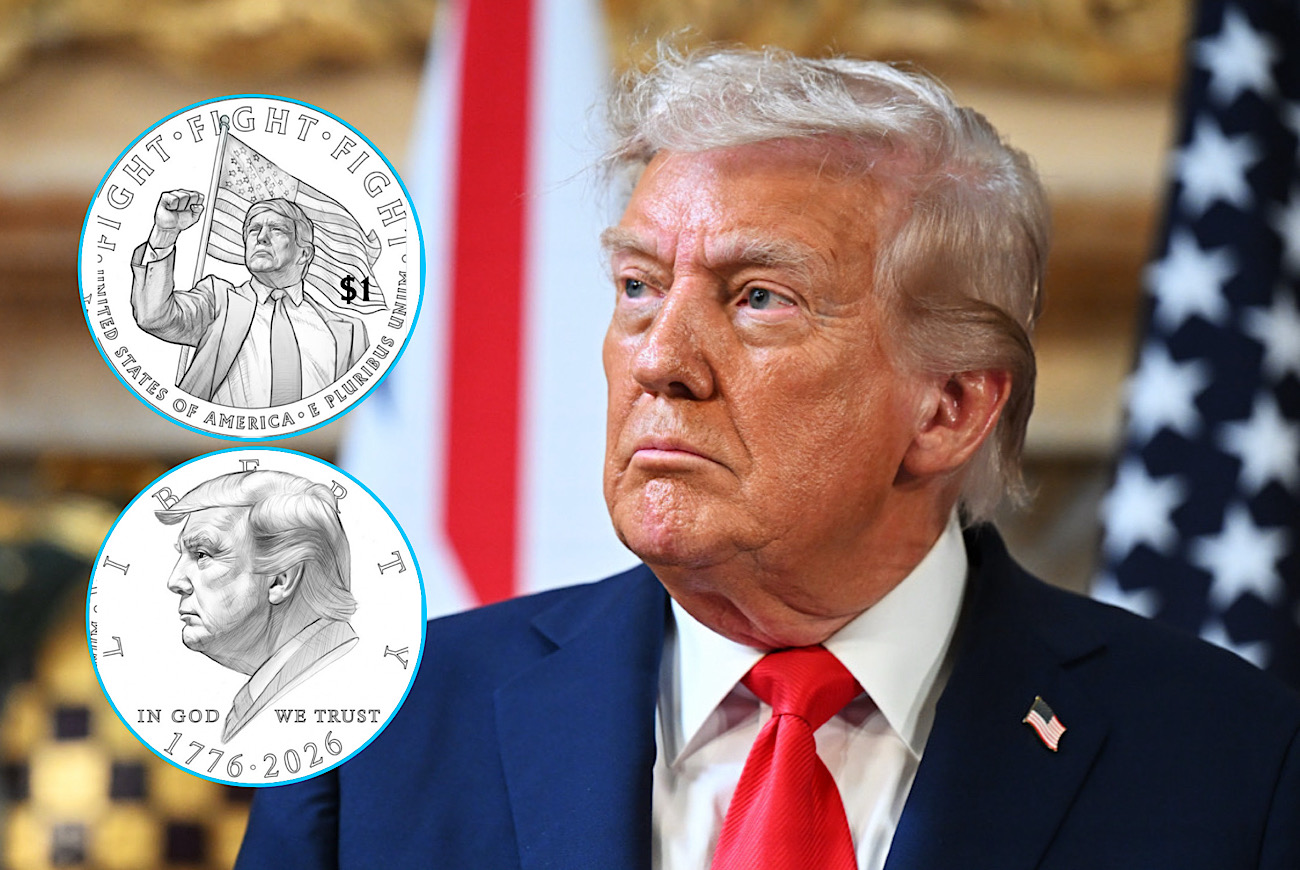
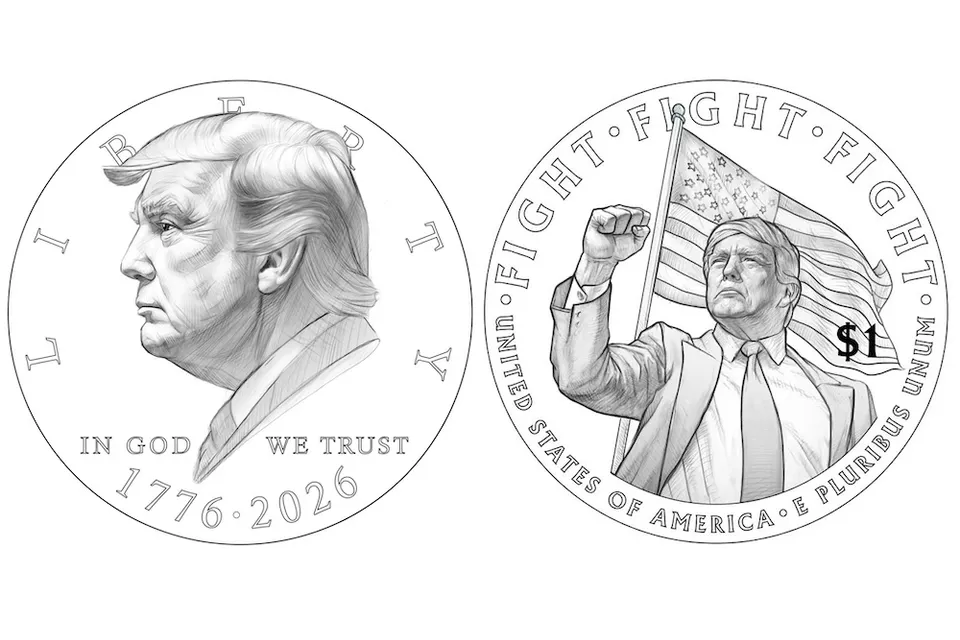
Rumors are spreading: the U.S. government may issue a limited-edition commemorative passport featuring Donald Trump’s likeness to mark the nation’s 250th birthday. While no official executive order or congressional mandate has been confirmed, the idea has already ignited fierce public debate—blending patriotism, political symbolism, and the evolving role of the presidency in national celebrations.
This isn’t just about a new passport design. It’s about who gets memorialized in official state artifacts and what that says about America’s values at a pivotal moment in its history.
The Proposal Behind the Commemorative Passport
The concept of a special-edition passport for America’s 250th anniversary isn’t unprecedented. The U.S. has released commemorative stamps, coins, and even limited-run currency to honor major milestones. But a passport—especially one bearing the image of a living former president—is uncharted territory.
Proposed by a coalition of conservative lawmakers and heritage organizations, the idea is to celebrate both the nation’s founding and what supporters describe as a “renaissance of American sovereignty” during Trump’s administration. The passport would not replace standard travel documents but serve as a collectible, potentially usable for international travel if issued under State Department authority.
Key elements of the proposal include: - A limited print run (estimated at 500,000 units) - Vintage-inspired design with 1776 and 2026 bookends - Inclusion of Trump’s portrait on the interior data page - QR code linking to a digital archive of U.S. founding documents
While the Department of State has not endorsed the plan, sources within the Bureau of Consular Affairs confirm that design concepts have been reviewed during preliminary discussions about 250th-anniversary initiatives.
Why Trump? The Symbolism Driving the Campaign
Supporters argue that Donald Trump’s presidency marked a cultural and political turning point—particularly in reshaping immigration policy, renegotiating trade deals, and asserting “America First” as a global stance. To them, featuring Trump on a commemorative passport is not partisan favoritism but recognition of a transformative era.
“This isn’t about reelecting Trump. It’s about acknowledging that his presidency reawakened national pride in a way not seen in decades,” said Laura Thompson, a policy advisor with the American Heritage Initiative.
Historically, U.S. passports have featured iconic national imagery—eagles, flags, the Statue of Liberty—but never a former president. Currency, yes: Washington, Lincoln, Jackson, and others grace bills and coins. But passports are functional documents, not monuments. That distinction is central to the controversy.
Critics contend that placing any individual—especially a polarizing one—on a government-issued travel document undermines the passport’s role as a neutral representation of citizenship.
Legal and Logistical Hurdles Even if politically viable, the plan faces substantial practical barriers.

Passports are issued under the authority of the Secretary of State, guided by federal regulations (22 CFR Part 51). Introducing a commemorative version with a non-standard design requires: - Congressional appropriation or emergency funding - Approval from the Office of Management and Budget (OMB) - Compliance with international travel standards (ICAO Doc 9303)
More critically, the inclusion of a living person’s image raises legal questions. No current law prohibits it, but precedent does not exist. The State Department has previously declined similar requests—such as one in 2018 to feature Ronald Reagan on a limited passport—citing concerns over politicization and document integrity.
Additionally, there's the risk of forgery. If a Trump-themed passport becomes a collector’s item, it could become a target for counterfeiters, especially if demand outpaces supply.
One solution being explored: issuing the commemorative version as a “supplemental” passport—valid for travel but clearly marked as a special edition. This model is used in countries like Japan and Canada for anniversary travel documents.
Public Reaction: Enthusiasm, Backlash, and Misinformation Social media has amplified both fervor and fury.
On conservative platforms, the idea has gained traction. Some users have created mockups showing Trump’s portrait flanked by founding fathers. Online petitions have gathered over 200,000 signatures urging the State Department to act.
Meanwhile, progressive groups warn of normalization. The ACLU issued a statement: “Putting any individual—especially a controversial former president—on a passport risks turning a neutral document into a political banner.”
Misinformation has also spread. Viral posts falsely claim the passports are already in production or that applicants can “pre-register” through unofficial websites. The State Department has issued a fraud alert, warning citizens not to share personal information on non-.gov sites.
International Precedents and What They Teach Us
Other nations have navigated similar symbolic gestures—with mixed results.
- Canada released a 150th-anniversary passport in 2017 featuring indigenous artwork and historical milestones. It was widely praised as inclusive and educational.
- Australia issued a centenary-of-federation passport in 2001 with a timeline of key events. No individual leader was featured.
- The Philippines released a passport in 2019 honoring national hero José Rizal—sparking debate over whether he should appear on every page.
These cases show that commemorative passports work best when they emphasize shared heritage over individual figures. When personalities take center stage, controversy follows.
The U.S. has an opportunity to learn: a 250th-anniversary passport could highlight civic achievements, scientific breakthroughs, or civil rights milestones—without centering any single political figure.
Practical Implications for Travelers
If issued, the Trump commemorative passport would likely be optional. Applicants could choose between: - Standard blue passport - Commemorative edition (higher fee, limited availability)
For frequent travelers, the implications are real: - Visa Processing: Some countries may scrutinize the commemorative version more closely, especially if design elements—like QR codes or non-standard layouts—trigger system alerts. - Durability: Collectors may avoid using the passport for travel to preserve value, defeating its functional purpose. - Renewal Confusion: If the commemorative version expires before standard timelines, users may face unexpected renewal hurdles.
There’s also the question of eligibility. Would it be available to all U.S. citizens? Only those who held a passport during Trump’s term? Or limited to applicants who opt in via a special application?
The State Department would need to clarify these points well in advance to avoid confusion.
A Nation at a Crossroads: What the Passport Represents
At its core, this debate isn’t just about a document. It’s about memory, legacy, and who gets to define American identity in 2026.
The 250th birthday is more than a party. It’s a moment of reflection—on slavery, democracy, expansion, civil rights, and globalization. A passport bearing Trump’s image would signal that a particular vision of America—nationalist, populist, unapologetically bold—has earned a place in the national pantheon.
But it also risks alienating millions who view his presidency as a threat to democratic norms. In a country already deeply divided, the symbolic weight of such a gesture cannot be underestimated.
Alternative designs could honor broader themes: - A timeline of constitutional amendments - Portraits of unsung heroes (scientists, activists, educators) - Interactive elements linking to state-by-state historical archives
These options might unify rather than divide.
The Road Ahead: What Needs to Happen For the commemorative passport to move forward—whether with Trump’s image or not—several steps are essential:
- Official Announcement: The State Department or White House must clarify if the idea is under active consideration.
- Public Consultation: A formal comment period would allow citizens to voice support or concerns.
- Design Competition: Opening the process to public submissions could foster ownership and reduce accusations of bias.
- Fraud Prevention Plan: Measures to block scams and counterfeit versions must be in place before launch.
- International Coordination: Embassies and consulates worldwide would need briefings to handle inquiries and potential issues.
Without transparency, the initiative risks being seen as a political stunt.
Closing: Choose Legacy Over Symbolism
The United States stands at a historic threshold. The 250th anniversary deserves more than a photo on a passport. It demands reflection, inclusion, and a vision that transcends any single administration.
If a commemorative passport is issued, let it honor the ideals of liberty and union—not the politics of division. Let it feature the people, movements, and moments that shaped America, not just the men who led it.
Citizens should demand a process that’s open, representative, and forward-looking. Because the passport isn’t just a travel document. It’s a statement of who we are—and who we aspire to be.
Frequently Asked Questions
Will the Trump commemorative passport be valid for international travel? If issued by the U.S. Department of State, it would be valid for travel like any standard passport—assuming it meets ICAO standards.
Can I apply for this passport now? No. No application process exists yet. Be wary of websites claiming otherwise—they are likely scams.
How much would it cost? Estimates suggest $150–$200, higher than standard fees due to collectible features and limited production.
Would children be eligible? If issued, it would likely follow standard passport rules—available for minors with parental consent.
Is Congress involved in this decision? Not officially. Funding or authorization for such a project would likely require legislative support.
Has any U.S. president been on a passport before? No. U.S. passports have featured national symbols, but never a president’s portrait.
What happens if the design is canceled? Like any unfulfilled proposal, it would be shelved unless revived by future administrations or legislation.
FAQ
What should you look for in U.S. to Issue Commemorative Passports with Trump's Image? Focus on relevance, practical value, and how well the solution matches real user intent.
Is U.S. to Issue Commemorative Passports with Trump's Image suitable for beginners? That depends on the workflow, but a clear step-by-step approach usually makes it easier to start.
How do you compare options around U.S. to Issue Commemorative Passports with Trump's Image? Compare features, trust signals, limitations, pricing, and ease of implementation.
What mistakes should you avoid? Avoid generic choices, weak validation, and decisions based only on marketing claims.
What is the next best step? Shortlist the most relevant options, validate them quickly, and refine from real-world results.